
This November, we’re heading to Finland for three nights near Rovaniemi, taking the NIGHTHAWK 1200 into the field alongside the rest of our winter camping kit.
The trip will build on previous use, help us understand the sleep system more closely and inform the development of a future NIGHTHAWK V2.
Before we go, there’s work to do: planning the route, reviewing equipment and making sure our preparations leave room for conditions to change.
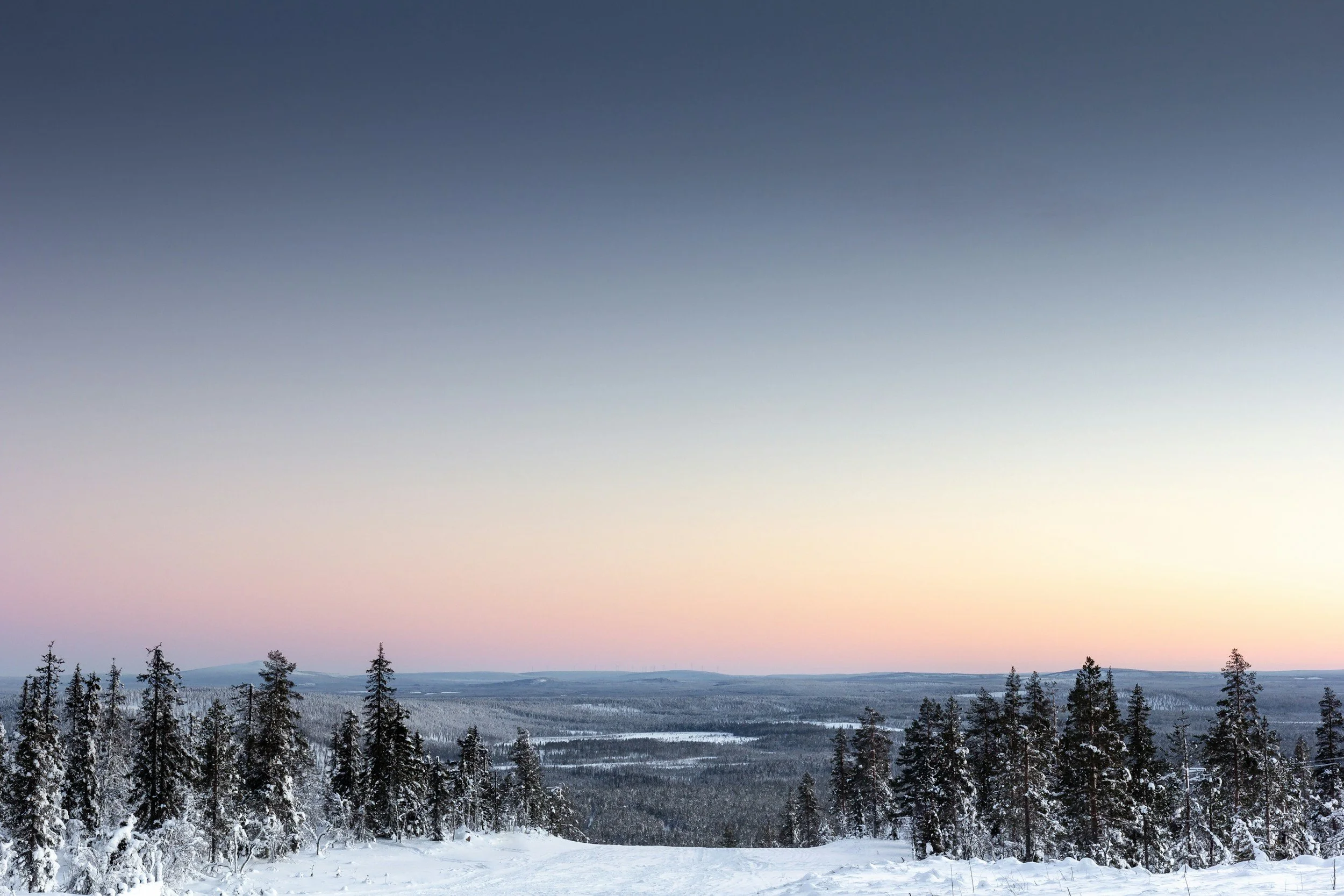
Finnish Lapland.
BUILDING ON EXPERIENCE
The NIGHTHAWK has already been used across three nights in heavy snow in Norway, alongside numerous UK winter trips. Finland will bring another challenge and another opportunity to build on that experience.
Warmth is part of that picture, but there are other questions too. How does the bag pack and loft? How easily can we operate the zip and adjustments in the cold? How does moisture affect its use across consecutive nights?
These details matter when equipment is unpacked, used and packed away repeatedly. A bag needs to work as part of camp life, as well as when you’re settled inside it.
PREPARING THE SLEEP SYSTEM
We’ll be considering the complete setup: sleeping bag, insulated mat, shelter, dry sleeping layers and additional insulation.
We’ll also carry Arctic liners as a backup if extra warmth is needed. Any use of these will be recorded, so our observations distinguish between the NIGHTHAWK on its own and the combined setup.
The NIGHTHAWK is not Arctic-rated, and this trip won’t change that. We’ll assess conditions against the capability of our complete sleep system, carry additional insulation and adapt our plans where needed.
The value is in what we learn: how the bag handles repeated packing, moisture and everyday use in cold conditions. Those observations will deepen our understanding of the product and help guide a future NIGHTHAWK V2.
The liners are one part of our preparation. Decisions about where we camp will depend on the conditions and the capability of the whole system.
PLANNING BEFORE DEPARTURE
Our planned dates are 16–19 November, with time to buy gas and supplies after arriving in Rovaniemi before heading towards the Arctic Circle Hiking Area.
The route will remain flexible. We’ll review forecasts, access, daylight and suitable camp options as departure approaches, then adjust on the ground if needed.
Planning for cold conditions also means thinking through ordinary tasks: keeping sleeping kit dry, organising equipment so it’s easy to find, and having essential items accessible without unpacking everything.
A workable alternative matters as much as the original plan.
WHAT WE WANT TO LEARN
We want to understand how the NIGHTHAWK performs across the trip, including:
How readily the down lofts after being compressed.
How the hood and neck baffle help manage draughts.
How easily the zip and adjustments can be operated with cold hands or gloves.
How moisture is managed across consecutive nights.
How practical the bag is to pack and use within the wider setup.
Exploring the edges of its intended use helps us get to know the system in depth. That means making careful observations and adapting when necessary, with additional insulation and alternative plans available.
What works well—and what proves awkward—will help guide improvements for a future NIGHTHAWK V2. Useful development comes from paying attention to the small details as well as overall comfort.
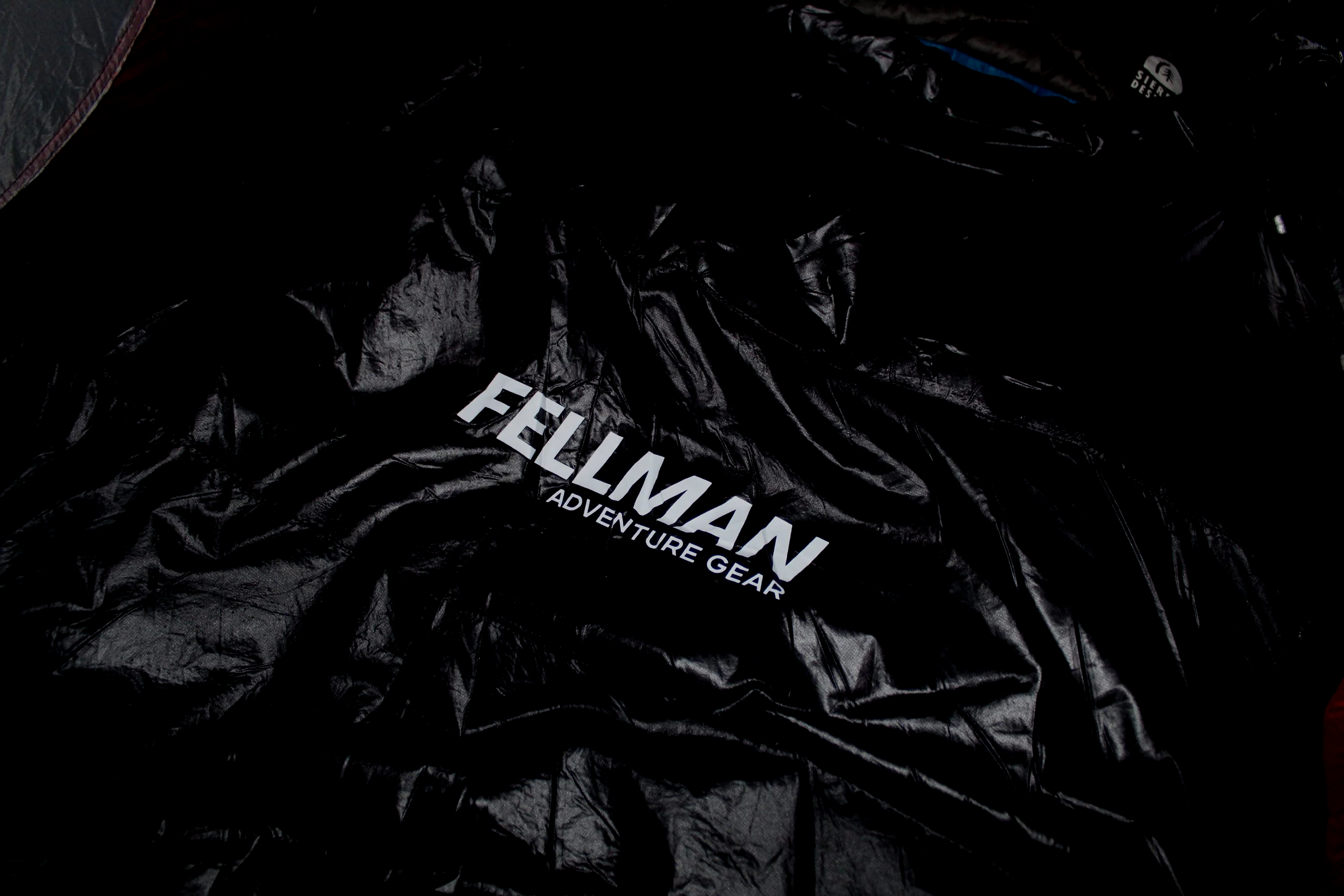
NIGHTHAWK 1200.
FOOD & CAMP ROUTINE
We’ve ordered Expedition Foods meals for the two of us, covering lunch and evening meals each across three nights. Breakfasts and snacks will complete the food plan.
We’ll also plan fuel and water around the conditions we expect. Simple meals keep preparation straightforward and give us more time to organise camp, look after equipment and settle down for the evening.
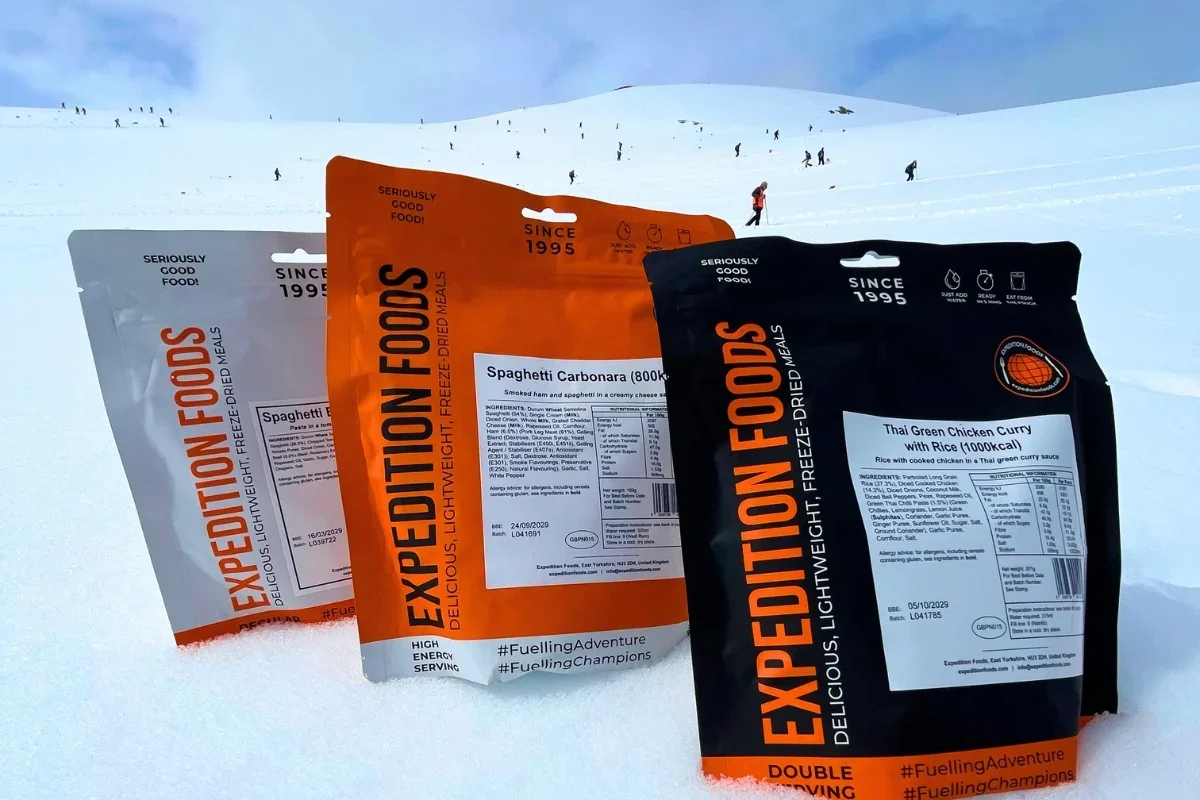
Expedition Foods meal pouches.
RECORDING THE EXPERIENCE
We’ll keep notes on conditions, the mat and shelter used, sleeping layers, any liner use and how the bag feels each night.
Those details make the observations useful. They help us explain what contributed to comfort, where adjustments were needed and what deserves further investigation.
This is field use, rather than a standardised temperature test. We won’t turn a few nights of personal experience into a new temperature rating.
AFTER FINLAND
Once we return, we’ll share what we learned: the conditions we encountered, the setup we used and the changes we made along the way. We’ll have camped with Fellman equipment in Norway, Sweden and Finland during 2026, alongside numerous trips across the UK. We’re proud to put our kit through repeated use in the landscapes it’s made for, bringing that experience back into product development and the advice we share.
The aim is to bring that experience back into Fellman—improving our advice, deepening our understanding of the NIGHTHAWK and helping shape its next version.
For now, the focus is preparation. Pack carefully, keep the plan flexible and arrive ready to learn.
Life, best enjoyed outside.
Leave no trace.
